Always fixed rates determined by Congress and standardized across borrowers.
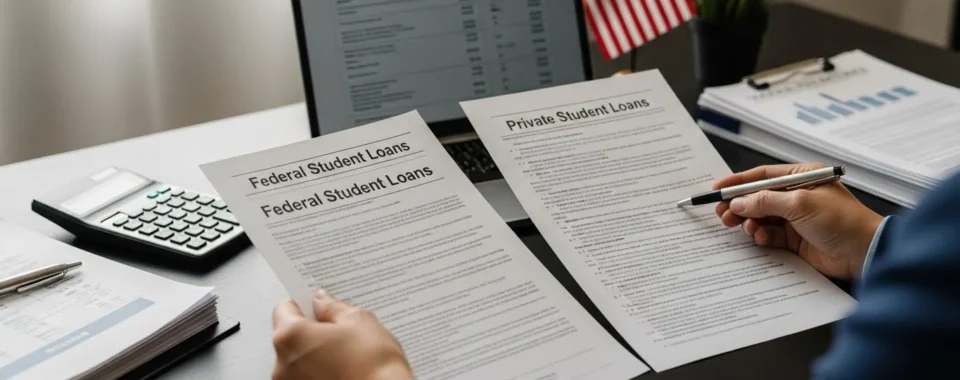
Federal and private student loans are the two primary ways students finance higher education in the United States. While both allow students to borrow money for college or career school, they differ enormously in terms of eligibility, repayment flexibility, protections, and long‑term cost. Understanding these differences can help you make smarter decisions and avoid financial pitfalls.
What Are Federal Student Loans?
Federal student loans are loans funded by the U.S. Department of Education and provided to students regardless of credit score (in most cases) through the Free Application for Federal Student Aid (FAFSA) process.
Types of Federal Student Loans
Federal loans include:
- Direct Subsidized Loans
- Direct Unsubsidized Loans
- Direct PLUS Loans (Parent/Graduate)
- Direct Consolidation Loans
These loans have set interest rates and terms dictated by federal law, and borrowers are automatically eligible if they meet basic criteria like U.S. citizenship or eligible non‑citizen status.

What Are Private Student Loans?
Private student loans are loans issued by banks, credit unions, online lenders, or financial institutions. Unlike federal loans:
- Approval depends on your credit score and income.
- Many borrowers require a co‑signer to qualify.
- Terms are set by the lender and vary widely.
Private loans are often considered only after federal loan options are exhausted because they typically offer fewer protections and less repayment flexibility.
Key Differences Between Federal and Private Student Loans
To make an informed choice, it’s crucial to compare how federal and private loans differ in multiple dimensions.
1. Eligibility and Application
Federal Loans:
- Apply through FAFSA each academic year.
- No credit check required for most loans (except PLUS).
Private Loans:
- Apply directly through the lender.
- Credit history and income are primary factors — applicants with low or no credit often need a cosigner.
👉 Supporting Content Opportunity:
“How to Complete the FAFSA: A Step‑by‑Step Guide for First‑Time Borrowers”
Learn the exact steps to apply for federal student aid, including tips to maximize eligibility and avoid common mistakes.
2. Interest Rates
Federal Loans:
Private Loans:
- Can be fixed or variable.
- Rates are influenced by credit score, income, and other financial factors.
Variable rates may start lower than federal rates but can increase over time, potentially making repayment more expensive in the long run.
3. Borrowing Limits
Federal loans cap borrowing amounts annually and over the life of the loan. For example:
- Undergraduate limits vary by dependency status; lifetime limits might be around $31,000 for dependent undergraduates.
Private loans typically allow students to borrow up to:
- Cost of attendance minus other aid — potentially more than federal limits.
This means private loans can fill financial gaps not covered by federal aid, but they also come with higher cost risk due to interest and lack of protections.
4. Repayment Options
Federal loans offer a wide range of structured repayment plans, including:
- Standard 10‑year repayment
- Graduated and extended plans
- Income‑Driven Repayment (IDR) plans that adjust monthly payments based on income and household size.
Private loans do not generally offer IDR plans, and repayment terms are usually fixed or preset by the lender without income adjustments.
👉 Supporting Content Opportunity:
“Understanding Income‑Driven Repayment (IDR): How It Works and Who It Helps”
Deep dive into federal IDR plans and how they affect monthly payments and long‑term loan cost.
5. Borrower Protections and Forgiveness
Federal Loans provide several protections:
- Deferment and Forbearance if you face financial hardship.
- Loan forgiveness programs, including Public Service Loan Forgiveness and income‑driven forgiveness after qualifying payments.
- Borrower defense and discharge options in specific circumstances.
Private Loans rarely offer these protections. While some lenders may offer short‑term deferment under hardship, there is no standard federal forgiveness program for private loans.
6. Market Share and Trends
Federal student loans dominate the U.S. student loan market, accounting for the vast majority of outstanding debt, while private loans make up a smaller share.
Advantages of Federal Student Loans
Broad accessibility: Available regardless of credit background for most borrowers.
Flexible repayment: Income‑driven plans can make payments affordable based on earnings.
Forgiveness pathways: Options like PSLF provide routes to debt relief after qualifying service.
Advantages of Private Student Loans
Higher borrowing capacity: Private loans can cover more than federal limits (up to cost of attendance).
Potentially lower initial rates: Borrowers with excellent credit may secure competitive fixed or variable rates.
Disadvantages of Federal Student Loans
Borrowing caps: Limits may not cover full cost of expensive programs.
Origination fees: Federal loans often have set fees deducted at disbursement.
Disadvantages of Private Student Loans
Less flexibility: Few repayment plans and lack of forgiveness options.
Credit requirements: Low credit score or lack of cosigner may limit access or raise interest rates.
Variable rates risk: Variable interest may rise significantly over time.
When to Choose Federal vs Private Loans
Choose federal loans first: Due to protections, flexible repayment, and forgiveness options.
Consider private loans only when: You’ve reached federal loan limits and still need funds for tuition or other education costs.
Conclusion
Federal and private student loans both serve the purpose of helping students access education, but they do so with very different terms and protections. Federal loans offer accessibility and long‑term flexibility, while private loans may be useful as gap financing when federal options fall short. Understanding these differences helps borrowers choose wisely and avoid unnecessary financial strain.
Frequently Asked Questions
Q1: Can private loans become federal loans later?
A1: No. You cannot convert private student loans into federal loans.
Q2: Are private student loans eligible for forgiveness?
A2: No. Private loans are not eligible for federal forgiveness programs.
Q3: Do private loans require a credit check?
A3: Yes, most private loans require a credit check and often a cosigner.