Student Loan Debt Help: Complete Guide to Relief, Forgiveness & Repayment Options
Student loan debt help refers to structured programs, repayment plans, forgiveness options, refinancing strategies, and legal remedies designed to reduce the education debt burden and make monthly student loan payments more manageable for financially struggling borrowers.
Student Loan Debt Help: Quick Summary
- Student loan debt help includes repayment plans, forgiveness programs, settlement solutions, and legal discharge options.
- Federal loans provide income-driven repayment, PSLF forgiveness, deferment, and strong borrower protections.
- Private loans can be reduced through refinancing, settlement negotiation, or legal hardship discharge.
- A personalized repayment strategy can significantly reduce long-term interest burden and default risk.
- Always begin with a full loan review before choosing forgiveness, settlement, or restructuring.
Why Student Loan Debt Help Matters in 2026
Student loan repayment has become one of the biggest financial challenges for borrowers in the United States. Rising interest accumulation, collection risks, and complex repayment rules often push borrowers to actively seek reliable student loan debt help solutions.
For a complete overview of all available relief paths, start with the complete guide to federal student loan debt relief options, which explains major repayment and forgiveness programs in detail.
Student loan debt impacts more than just monthly payments. It affects credit score, home loan eligibility, long-term savings, and overall financial well-being. Selecting the correct forgiveness, settlement, or repayment optimization strategy can save thousands of dollars over the lifetime of the loan.
Who Needs Student Loan Debt Help?
Student loan debt help includes repayment programs, forgiveness options, refinancing solutions, and legal strategies that reduce monthly payment pressure and long-term loan burden.
Student loan debt help is a broad term that describes all strategies designed to make education loan repayment easier or eliminate part of the balance entirely. These solutions are especially important for borrowers facing financial hardship or increasing interest accumulation.
You may need structured debt help if you are experiencing:
- High monthly repayment pressure
- Delinquency or default risk
- Increasing balance due to interest growth
- Collection notices or legal threats
- Significant credit score decline
In short, student loan debt help means applying the right repayment, forgiveness, or legal strategy to regain control over education debt and avoid long-term financial damage.
Best Federal Student Loan Debt Help Programs
Federal relief includes income-driven repayment plans, Public Service Loan Forgiveness, deferment, forbearance, and hardship-based payment reduction programs.
Federal student loans offer the strongest borrower protections and structured debt relief solutions backed by government programs.
Income-Driven Repayment (IDR) Plans
Income-Driven Repayment plans adjust your monthly payment based on income and family size rather than loan balance. In some cases, borrowers may qualify for $0 monthly payments while remaining in good standing.
Key benefits include:
- Affordable payment structure
- Loan forgiveness after 20–25 years
- Protection against default during hardship
Public Service Loan Forgiveness (PSLF)
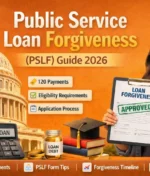
Borrowers working in government or nonprofit sectors may qualify for full federal loan forgiveness after 120 qualifying payments. Eligibility details are explained in the Public Service Loan Forgiveness program overview, which outlines criteria and discharge rules.
Deferment vs Forbearance Options
Both options temporarily pause payments:
- Deferment may prevent interest accumulation on subsidized loans
- Forbearance pauses payments, but interest continues to grow
Federal loan relief programs provide flexible repayment structures and long-term forgiveness opportunities, making them the most powerful student loan debt help options available.
Private Student Loan Debt Help and Settlement Options
Private student loans rarely qualify for forgiveness but can be reduced through settlement negotiation, refinancing, or legal hardship discharge strategies.
Unlike federal loans, private student loans do not offer government-backed forgiveness programs. However, borrowers still have several strategic relief pathways that can reduce repayment burden significantly.
Private Loan Settlement Options
Settlement negotiations allow borrowers to resolve loans for less than the total owed, especially when loans are delinquent or in default. Effective methods are explained in private student loan settlement strategies, which detail how hardship-based negotiations work.
Refinancing for Lower Payments
Refinancing replaces high-interest loans with lower-rate options, reducing monthly payments and total interest paid over time.
Bankruptcy and Adversary Proceedings
Although challenging, student loans may be discharged through legal hardship proceedings. The legal process is described in how to file an adversary proceeding for Student Loan Discharge.
Private loan borrowers should prioritize refinancing, settlement negotiation, or legal discharge strategies since forgiveness programs are rarely available.
How to Lower Monthly Payments with Student Loan Debt Help
Monthly payments can be reduced by enrolling in income-driven repayment, refinancing high-interest loans, requesting deferment, or negotiating settlements during financial hardship.
Step-by-Step Strategy
- Identify whether your loans are federal or private
- Apply for income-driven repayment if federal
- Refinance high-interest private loans
- Request a hardship deferment during financial difficulty
- Consider settlement if loans move into collections
Borrowers facing collection action should understand recovery options, including what happens when student loans go to collections.
Lowering monthly payments begins with identifying the loan type and then selecting IDR, refinancing, deferment, or settlement based on your financial hardship level.
Federal vs Private Student Loan Debt Help: Key Differences Explained
Federal loans provide forgiveness and income-based repayment plans, while private loans depend on refinancing, settlement negotiation, and legal discharge pathways.
| Feature | Federal Loans | Private Loans |
| Forgiveness Programs | Available | Rare |
| Income-Based Plans | Yes | No |
| Settlement Options | Limited | Common |
| Bankruptcy Discharge | Difficult | More Possible |
| Government Protections | Strong | Minimal |
For a deeper comparison, review the federal vs private student loan differences explained, which highlight borrower protections and repayment flexibility.
Federal loans offer structured government-backed relief, while private loans rely on negotiation, refinancing, and legal strategies for meaningful debt reduction.
Is Bankruptcy Worth Considering for Student Loan Debt Relief?
Bankruptcy may discharge student loans in rare hardship cases through adversary proceedings, but strong legal evidence is required, and it should be considered a last resort.
Bankruptcy becomes relevant only when repayment is impossible due to permanent hardship, disability, or long-term unemployment. Legal discharge criteria and procedures are explained in student loan bankruptcy discharge and legal options.
Bankruptcy is uncommon but can eliminate student loan debt in extreme hardship situations when strict legal standards are met.
When to Seek Personalized Student Loan Debt Help
If you want a customized strategy based on your loan type, income level, and hardship status, you can request a student loan debt consultation to evaluate the best repayment and relief options available.
What Happens If Student Loans Go Into Default or Collections?
Default can lead to wage garnishment, tax refund seizure, and severe credit damage, but rehabilitation and consolidation programs can restore repayment status and prevent long-term financial harm.
When loans enter default, borrowers may experience:
- Significant credit score decline
- Increased balance due to collection fees
- Wage garnishment and tax refund offsets
- Legal collection actions
However, recovery options include:
- Loan rehabilitation programs
- Consolidation into new repayment plans
- Negotiated settlement agreements
Although default has serious consequences, structured rehabilitation and consolidation programs can help borrowers regain control and rebuild their credit standing.
Best Long-Term Student Loan Debt Help Strategy
The most effective long-term strategy combines income-driven repayment, forgiveness eligibility review, refinancing optimization, and legal planning based on loan type and hardship level.
Strategic Framework
1. Identify Loan Type First
Federal loans should prioritize forgiveness and income-driven repayment, while private loans should focus on settlement or refinancing strategies.
2. Optimize Monthly Repayment Structure
Lower payments through IDR plans or refinancing to maintain affordability and prevent delinquency.
3. Evaluate Forgiveness Eligibility
Review PSLF or long-term IDR forgiveness timelines to reduce total repayment duration and overall interest burden.
4. Consider Legal Relief in Extreme Cases
When hardship becomes permanent, adversary proceedings or bankruptcy discharge may provide full debt elimination.
Best Long-Term Student Loan Debt Help Strategy
A hybrid approach combining repayment optimization, forgiveness planning, and legal analysis provides the most sustainable and effective student loan debt help solution.
Student loan debt help is not a single program but a combination of repayment adjustments, forgiveness opportunities, settlement negotiations, and legal discharge strategies tailored to each borrower’s loan type and financial hardship level.
Best Long-Term Student Loan Debt Help Strategy
What is the fastest way to get student loan debt help?
The quickest method is enrolling in an income-driven repayment plan for federal loans or negotiating a hardship-based settlement for private loans to immediately lower monthly payments.
Can student loans really be forgiven?
Yes, federal student loans may qualify for forgiveness through IDR plans or public service forgiveness programs after meeting eligibility and payment requirements.
Do private student loans offer forgiveness options?
Private loans rarely provide forgiveness but can often be reduced through refinancing, settlement negotiations, or hardship-based legal discharge strategies.
Is refinancing helpful for student loan debt?
Refinancing helps borrowers secure lower interest rates and manageable monthly payments, ultimately reducing the overall cost of repayment.
Should I seek legal help for student loan debt?
Legal assistance becomes important when pursuing bankruptcy discharge, adversary proceedings, or negotiating large private loan settlement agreements.
To align your repayment plan with evolving legislation, review the latest updates on student loan forgiveness policy changes so you can choose the most effective relief strategy based on current government programs and repayment rules.